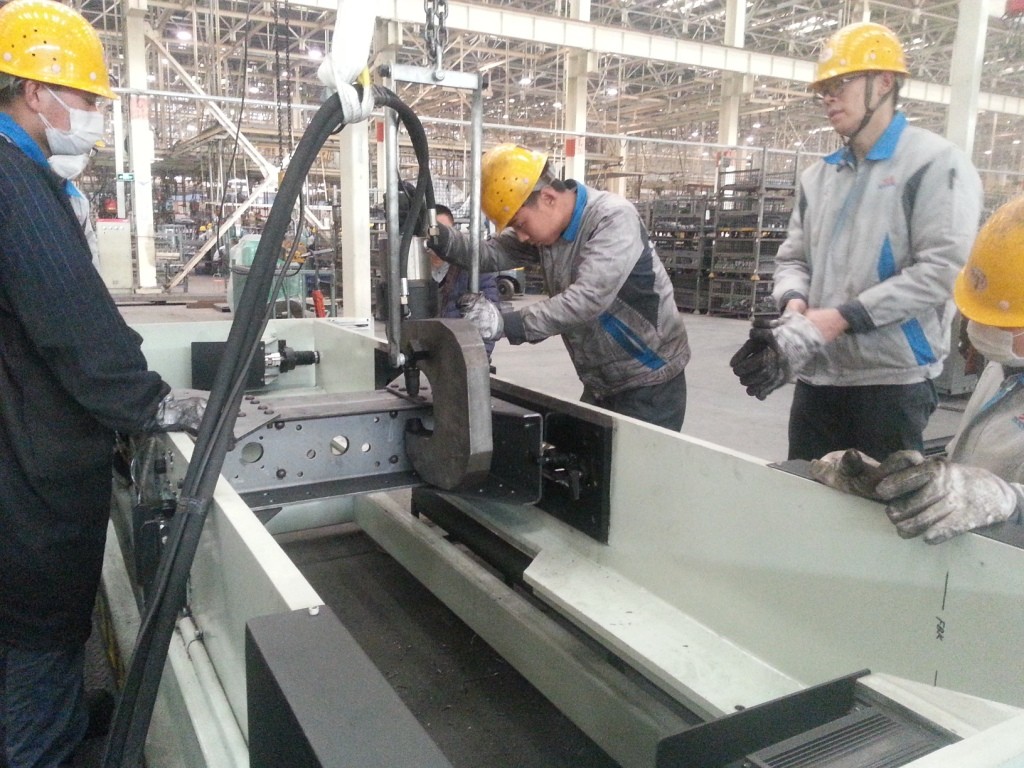
Truck frame production assembly line
Sanxing Machinery has been serving customers for 26 years

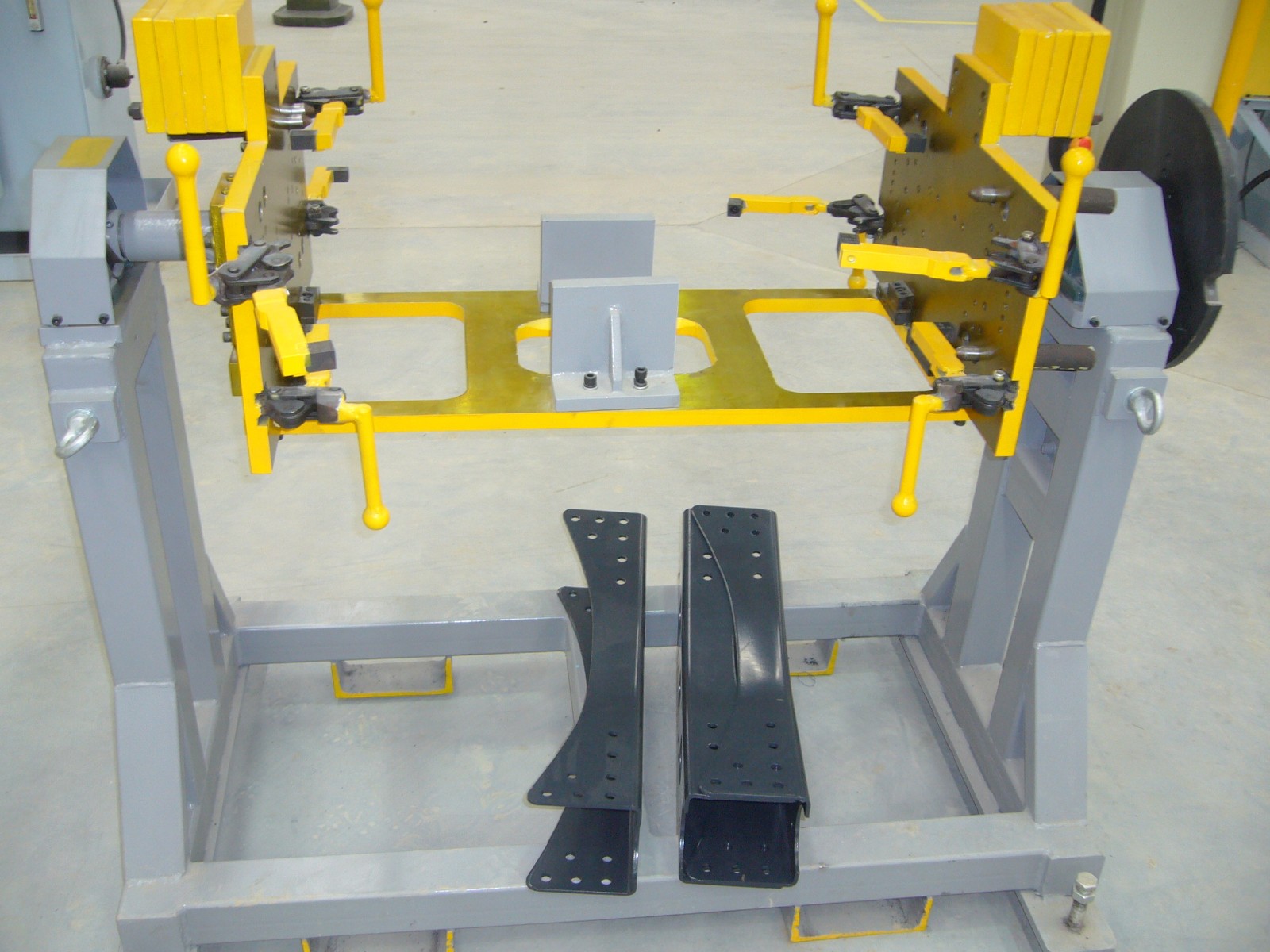
Frame crossbeam assembly fixture
The frame is mainly composed of longitudinal beams, crossbeams, engine brackets, clutch brackets, and other accessories. The frame is divided into welded frame, riveted frame, and riveted/welded frame according to different processes. Medium and heavy-duty trucks mainly use riveted frames.The frame structure can be divided into three type..
WhatsApp:86 13803726660
Email:aysx2009@126.com
Leave a message
Product Introduction

The frame is mainly composed of longitudinal beams, crossbeams, engine brackets, clutch brackets, and other accessories. The frame is divided into welded frame, riveted frame, and riveted/welded frame according to different processes. Medium and heavy-duty trucks mainly use riveted frames.


The frame structure can be divided into three types according to the force situation: non load bearing, semi load bearing, and load bearing


A non load bearing car has a rigid frame, also known as a chassis beam. The connection between the frame and the body is flexible through springs or rubber pads. A part of the engine, transmission system, and assembly components such as the body are fixed to the frame with suspension devices, and the frame is connected to the wheels through front and rear suspension devices. This type of non load bearing body is relatively bulky, heavy, and high in height. It is generally used in trucks, buses, and off-road jeeps, and is also used in a small number of sedans because it has good stability and safety.


A car with a load-bearing body does not have a rigid frame, but only strengthens parts such as the front, side panels, rear, and floor. Assembly components such as the engine, front and rear suspension, and a part of the transmission system are assembled in the required positions on the body, and the body load is transmitted to the wheels through the suspension device. This load-bearing body not only has its inherent passenger function, but also directly bears the effects of various load forces. After decades of development and improvement, the load-bearing body has greatly improved in both safety and stability, with advantages such as small mass, low height, no suspension device, and easy assembly. Therefore, most sedans adopt this body structure.


The body and frame are rigidly connected by methods such as screwing, riveting, or welding. In this case, in addition to bearing the above-mentioned loads, the car body also helps to reinforce the frame to a certain extent and share some of the load on the frame.
Product Recommendation
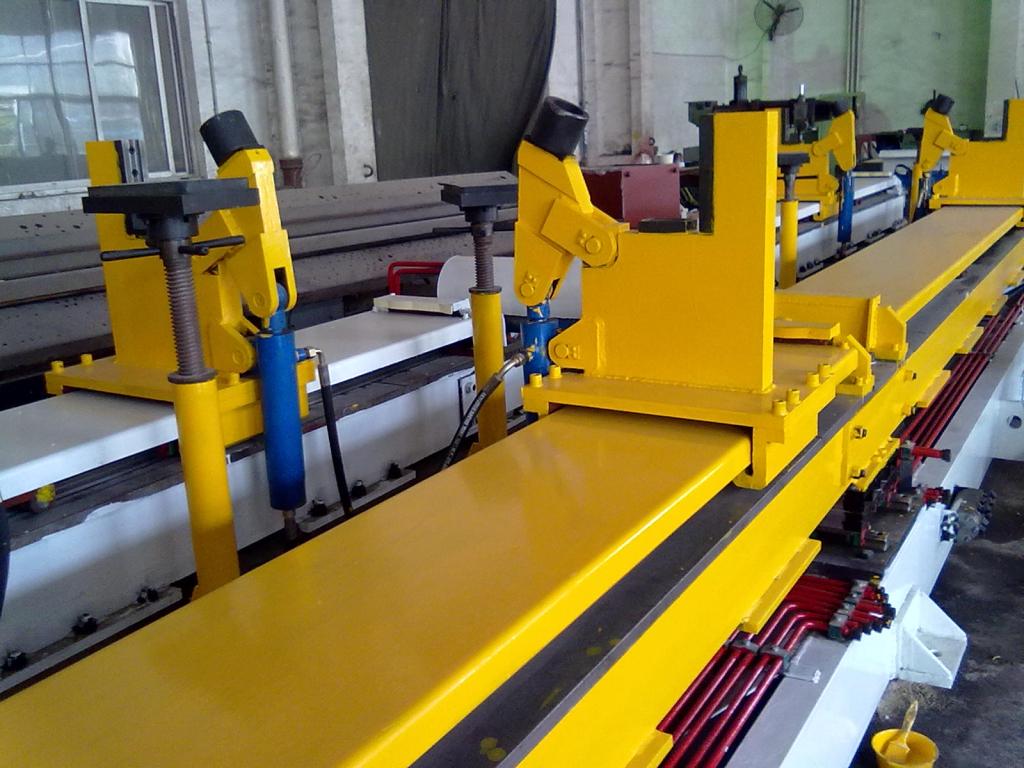
Assembly fixture for frame assembly (a specialized equipment for controlling the internal and external width, flatness, and diagonal errors of the frame assembly)
The frame is mainly composed of longitudinal beams, crossbeams, engine brackets, clutch brackets, and other accessories. The frame is divided into welded frame, riveted frame, and riveted/welded frame according to different processes. Medium and heavy-duty trucks mainly use riveted frames.The frame structure can be divided into three types according to the force situation: non load bearing, semi load bearing, and load bearingA non load bearing car has a rigid frame, also known as a chassis beam. The connection between the frame and the body is flexible through springs or rubber pads. A part of the engine, transmission system, and assembly components such as the body are fixed to the frame with suspension devices, and the frame is connected to the wheels through front and rear suspension devices. This type of non load bearing body is relatively bulky, heavy, and high in height. It is generally used in trucks, buses, and off-road jeeps, and is also used in a small number of sedans because it has good stability and safety.A car with a load-bearing body does not have a rigid frame, but only strengthens parts such as the front, side panels, rear, and floor. Assembly components such as the engine, front and rear suspension, and a part of the transmission system are assembled in the required positions on the body, and the body load is transmitted to the wheels through the suspension device. This load-bearing body not only has its inherent passenger function, but also directly bears the effects of various load forces. After decades of development and improvement, the load-bearing body has greatly improved in both safety and stability, with advantages such as small mass, low height, no suspension device, and easy assembly. Therefore, most sedans adopt this body structure.The body and frame are rigidly connected by methods such as screwing, riveting, or welding. In this case, in addition to bearing the above-mentioned loads, the car body also helps to reinforce the frame to a certain extent and share some of the load on the frame.
Frame crossbeam assembly fixture
The frame is mainly composed of longitudinal beams, crossbeams, engine brackets, clutch brackets, and other accessories. The frame is divided into welded frame, riveted frame, and riveted/welded frame according to different processes. Medium and heavy-duty trucks mainly use riveted frames.The frame structure can be divided into three types according to the force situation: non load bearing, semi load bearing, and load bearingA non load bearing car has a rigid frame, also known as a chassis beam. The connection between the frame and the body is flexible through springs or rubber pads. A part of the engine, transmission system, and assembly components such as the body are fixed to the frame with suspension devices, and the frame is connected to the wheels through front and rear suspension devices. This type of non load bearing body is relatively bulky, heavy, and high in height. It is generally used in trucks, buses, and off-road jeeps, and is also used in a small number of sedans because it has good stability and safety.A car with a load-bearing body does not have a rigid frame, but only strengthens parts such as the front, side panels, rear, and floor. Assembly components such as the engine, front and rear suspension, and a part of the transmission system are assembled in the required positions on the body, and the body load is transmitted to the wheels through the suspension device. This load-bearing body not only has its inherent passenger function, but also directly bears the effects of various load forces. After decades of development and improvement, the load-bearing body has greatly improved in both safety and stability, with advantages such as small mass, low height, no suspension device, and easy assembly. Therefore, most sedans adopt this body structure.The body and frame are rigidly connected by methods such as screwing, riveting, or welding. In this case, in addition to bearing the above-mentioned loads, the car body also helps to reinforce the frame to a certain extent and share some of the load on the frame.
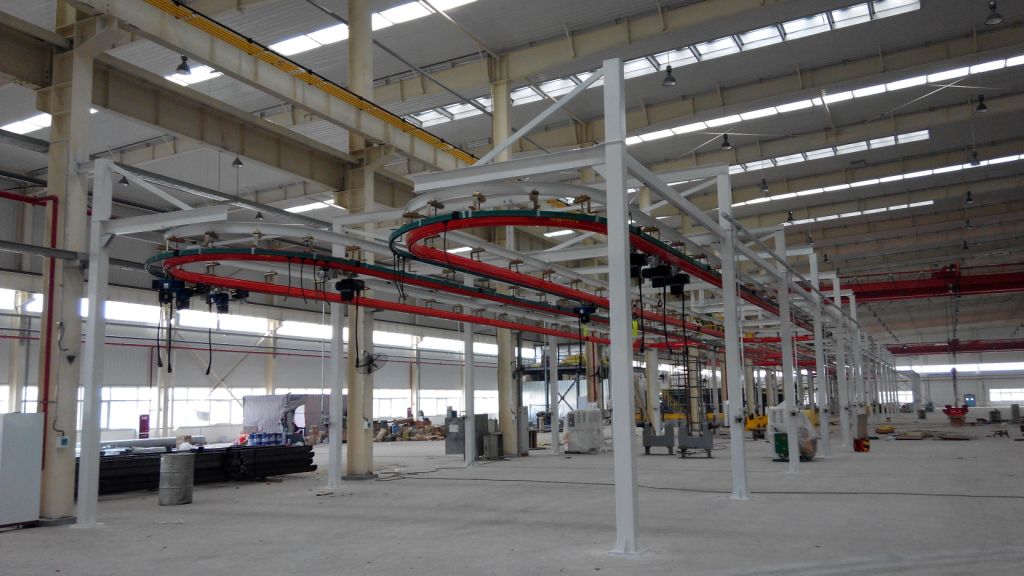
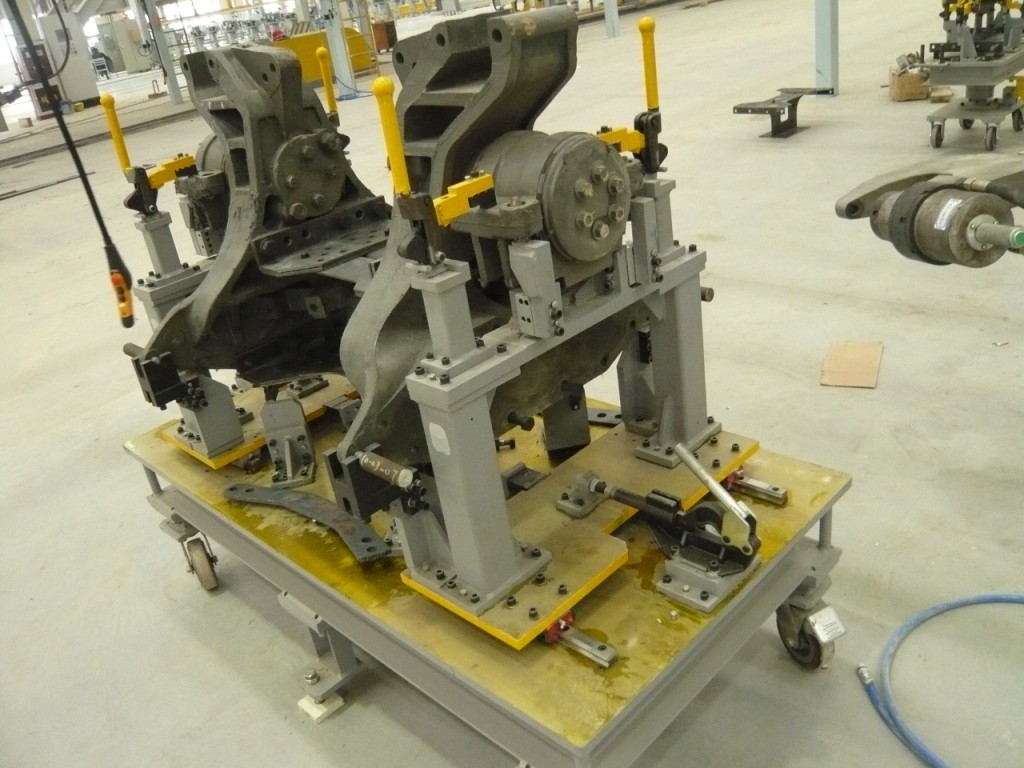
Frame crossbeam assembly fixture
The frame is mainly composed of longitudinal beams, crossbeams, engine brackets, clutch brackets, and other accessories. The frame is divided into welded frame, riveted frame, and riveted/welded frame according to different processes. Medium and heavy-duty trucks mainly use riveted frames.The frame structure can be divided into three types according to the force situation: non load bearing, semi load bearing, and load bearingA non load bearing car has a rigid frame, also known as a chassis beam. The connection between the frame and the body is flexible through springs or rubber pads. A part of the engine, transmission system, and assembly components such as the body are fixed to the frame with suspension devices, and the frame is connected to the wheels through front and rear suspension devices. This type of non load bearing body is relatively bulky, heavy, and high in height. It is generally used in trucks, buses, and off-road jeeps, and is also used in a small number of sedans because it has good stability and safety.A car with a load-bearing body does not have a rigid frame, but only strengthens parts such as the front, side panels, rear, and floor. Assembly components such as the engine, front and rear suspension, and a part of the transmission system are assembled in the required positions on the body, and the body load is transmitted to the wheels through the suspension device. This load-bearing body not only has its inherent passenger function, but also directly bears the effects of various load forces. After decades of development and improvement, the load-bearing body has greatly improved in both safety and stability, with advantages such as small mass, low height, no suspension device, and easy assembly. Therefore, most sedans adopt this body structure.The body and frame are rigidly connected by methods such as screwing, riveting, or welding. In this case, in addition to bearing the above-mentioned loads, the car body also helps to reinforce the frame to a certain extent and share some of the load on the frame.
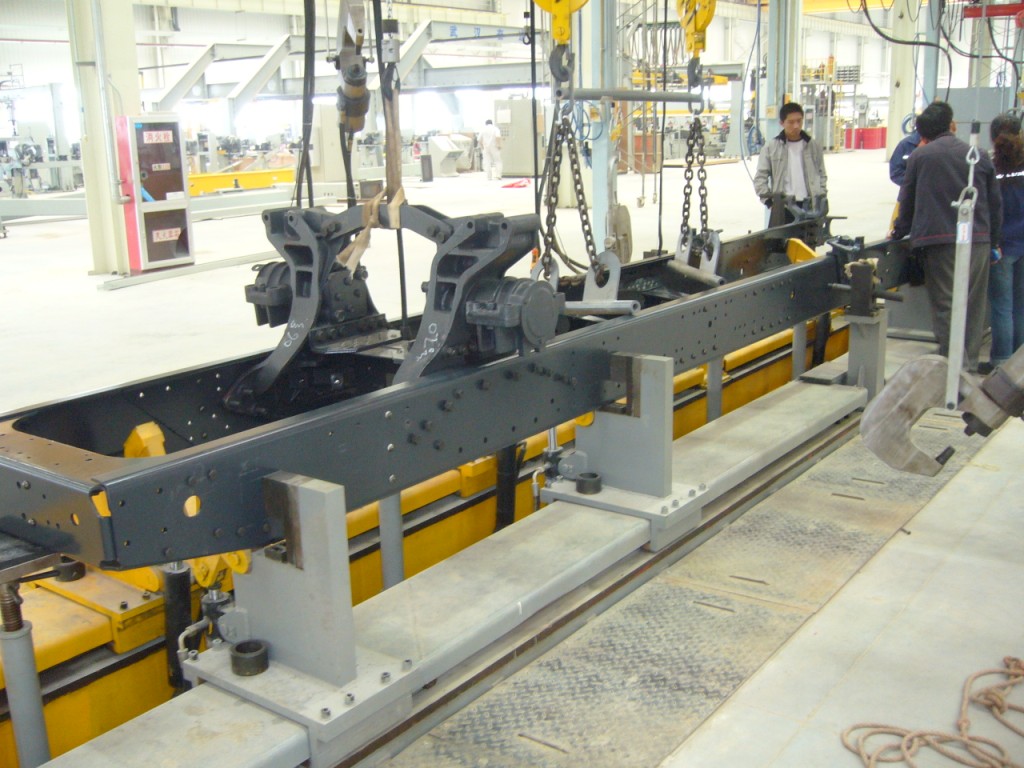
Rivet connection of light truck frame assembly (typical case 1KPK ring rail)
The frame is mainly composed of longitudinal beams, crossbeams, engine brackets, clutch brackets, and other accessories. The frame is divided into welded frame, riveted frame, and riveted/welded frame according to different processes. Medium and heavy-duty trucks mainly use riveted frames.The frame structure can be divided into three types according to the force situation: non load bearing, semi load bearing, and load bearingA non load bearing car has a rigid frame, also known as a chassis beam. The connection between the frame and the body is flexible through springs or rubber pads. A part of the engine, transmission system, and assembly components such as the body are fixed to the frame with suspension devices, and the frame is connected to the wheels through front and rear suspension devices. This type of non load bearing body is relatively bulky, heavy, and high in height. It is generally used in trucks, buses, and off-road jeeps, and is also used in a small number of sedans because it has good stability and safety.A car with a load-bearing body does not have a rigid frame, but only strengthens parts such as the front, side panels, rear, and floor. Assembly components such as the engine, front and rear suspension, and a part of the transmission system are assembled in the required positions on the body, and the body load is transmitted to the wheels through the suspension device. This load-bearing body not only has its inherent passenger function, but also directly bears the effects of various load forces. After decades of development and improvement, the load-bearing body has greatly improved in both safety and stability, with advantages such as small mass, low height, no suspension device, and easy assembly. Therefore, most sedans adopt this body structure.The body and frame are rigidly connected by methods such as screwing, riveting, or welding. In this case, in addition to bearing the above-mentioned loads, the car body also helps to reinforce the frame to a certain extent and share some of the load on the frame.
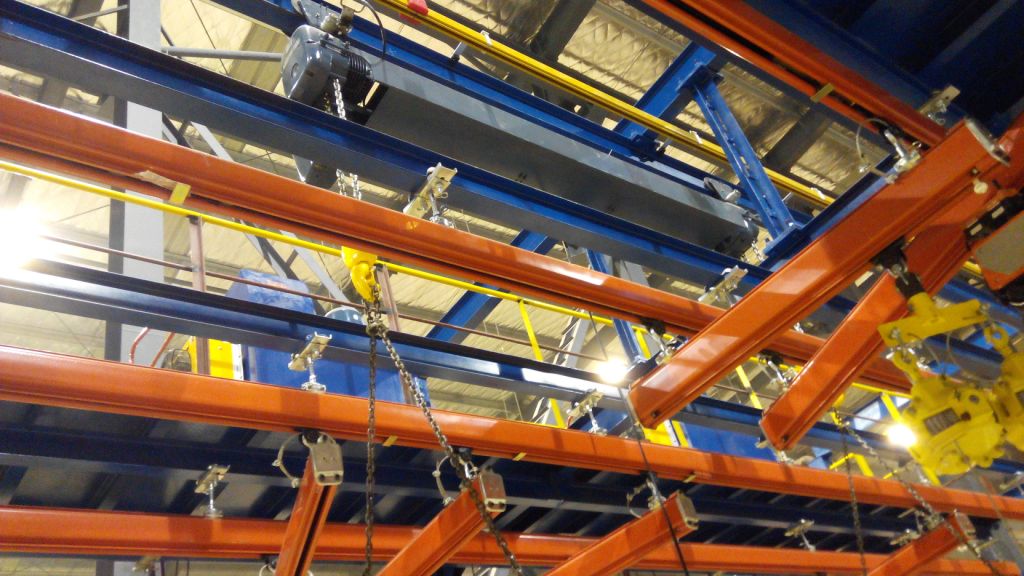
Assembly fixture for heavy-duty truck frame assembly (on-site)
The frame is mainly composed of longitudinal beams, crossbeams, engine brackets, clutch brackets, and other accessories. The frame is divided into welded frame, riveted frame, and riveted/welded frame according to different processes. Medium and heavy-duty trucks mainly use riveted frames.The frame structure can be divided into three types according to the force situation: non load bearing, semi load bearing, and load bearingA non load bearing car has a rigid frame, also known as a chassis beam. The connection between the frame and the body is flexible through springs or rubber pads. A part of the engine, transmission system, and assembly components such as the body are fixed to the frame with suspension devices, and the frame is connected to the wheels through front and rear suspension devices. This type of non load bearing body is relatively bulky, heavy, and high in height. It is generally used in trucks, buses, and off-road jeeps, and is also used in a small number of sedans because it has good stability and safety.A car with a load-bearing body does not have a rigid frame, but only strengthens parts such as the front, side panels, rear, and floor. Assembly components such as the engine, front and rear suspension, and a part of the transmission system are assembled in the required positions on the body, and the body load is transmitted to the wheels through the suspension device. This load-bearing body not only has its inherent passenger function, but also directly bears the effects of various load forces. After decades of development and improvement, the load-bearing body has greatly improved in both safety and stability, with advantages such as small mass, low height, no suspension device, and easy assembly. Therefore, most sedans adopt this body structure.The body and frame are rigidly connected by methods such as screwing, riveting, or welding. In this case, in addition to bearing the above-mentioned loads, the car body also helps to reinforce the frame to a certain extent and share some of the load on the frame.
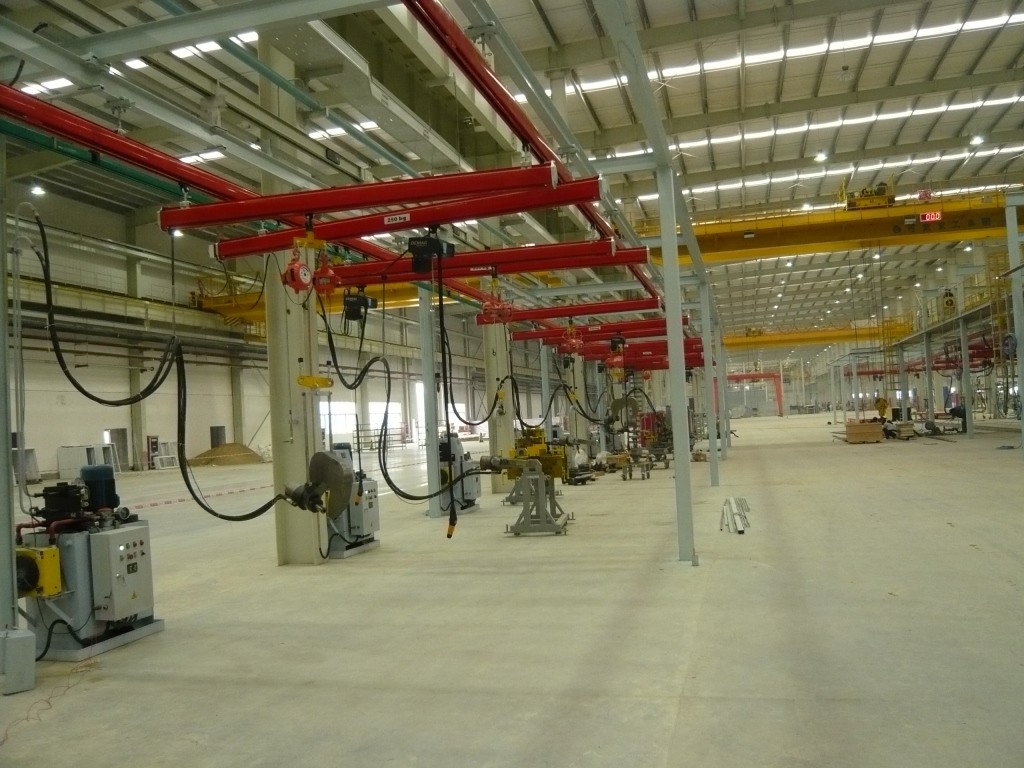
Frame assembly riveting wire on aerial transport KPK track
The frame is mainly composed of longitudinal beams, crossbeams, engine brackets, clutch brackets, and other accessories. The frame is divided into welded frame, riveted frame, and riveted/welded frame according to different processes. Medium and heavy-duty trucks mainly use riveted frames.The frame structure can be divided into three types according to the force situation: non load bearing, semi load bearing, and load bearingA non load bearing car has a rigid frame, also known as a chassis beam. The connection between the frame and the body is flexible through springs or rubber pads. A part of the engine, transmission system, and assembly components such as the body are fixed to the frame with suspension devices, and the frame is connected to the wheels through front and rear suspension devices. This type of non load bearing body is relatively bulky, heavy, and high in height. It is generally used in trucks, buses, and off-road jeeps, and is also used in a small number of sedans because it has good stability and safety.A car with a load-bearing body does not have a rigid frame, but only strengthens parts such as the front, side panels, rear, and floor. Assembly components such as the engine, front and rear suspension, and a part of the transmission system are assembled in the required positions on the body, and the body load is transmitted to the wheels through the suspension device. This load-bearing body not only has its inherent passenger function, but also directly bears the effects of various load forces. After decades of development and improvement, the load-bearing body has greatly improved in both safety and stability, with advantages such as small mass, low height, no suspension device, and easy assembly. Therefore, most sedans adopt this body structure.The body and frame are rigidly connected by methods such as screwing, riveting, or welding. In this case, in addition to bearing the above-mentioned loads, the car body also helps to reinforce the frame to a certain extent and share some of the load on the frame.
Frame riveting machine
The frame is mainly composed of longitudinal beams, crossbeams, engine brackets, clutch brackets, and other accessories. The frame is divided into welded frame, riveted frame, and riveted/welded frame according to different processes. Medium and heavy-duty trucks mainly use riveted frames.The frame structure can be divided into three types according to the force situation: non load bearing, semi load bearing, and load bearingA non load bearing car has a rigid frame, also known as a chassis beam. The connection between the frame and the body is flexible through springs or rubber pads. A part of the engine, transmission system, and assembly components such as the body are fixed to the frame with suspension devices, and the frame is connected to the wheels through front and rear suspension devices. This type of non load bearing body is relatively bulky, heavy, and high in height. It is generally used in trucks, buses, and off-road jeeps, and is also used in a small number of sedans because it has good stability and safety.A car with a load-bearing body does not have a rigid frame, but only strengthens parts such as the front, side panels, rear, and floor. Assembly components such as the engine, front and rear suspension, and a part of the transmission system are assembled in the required positions on the body, and the body load is transmitted to the wheels through the suspension device. This load-bearing body not only has its inherent passenger function, but also directly bears the effects of various load forces. After decades of development and improvement, the load-bearing body has greatly improved in both safety and stability, with advantages such as small mass, low height, no suspension device, and easy assembly. Therefore, most sedans adopt this body structure.The body and frame are rigidly connected by methods such as screwing, riveting, or welding. In this case, in addition to bearing the above-mentioned loads, the car body also helps to reinforce the frame to a certain extent and share some of the load on the frame.

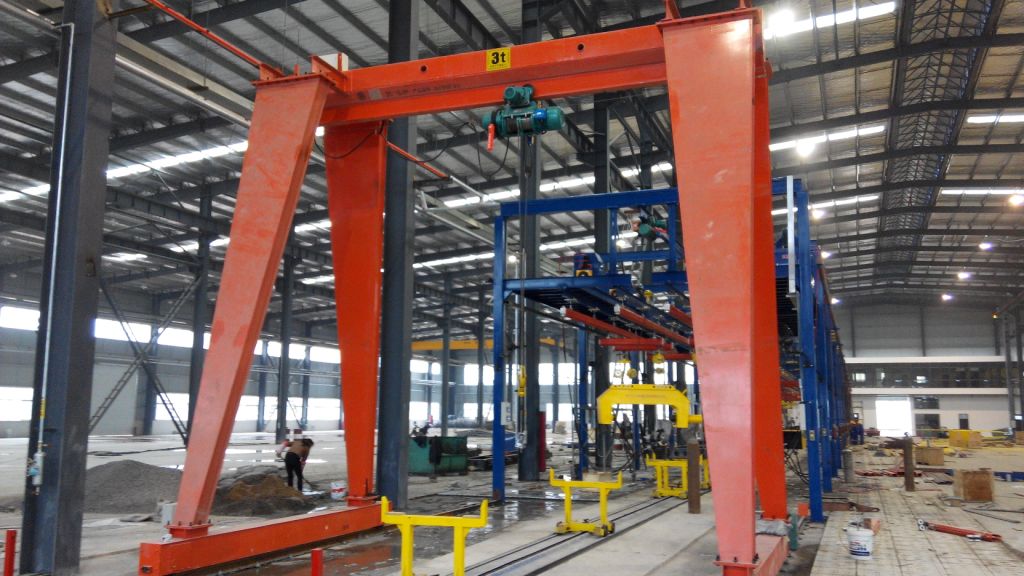
Frame assembly offline gantry crane (used for frame assembly products to detach from rivet lines)
The frame is mainly composed of longitudinal beams, crossbeams, engine brackets, clutch brackets, and other accessories. The frame is divided into welded frame, riveted frame, and riveted/welded frame according to different processes. Medium and heavy-duty trucks mainly use riveted frames.The frame structure can be divided into three types according to the force situation: non load bearing, semi load bearing, and load bearingA non load bearing car has a rigid frame, also known as a chassis beam. The connection between the frame and the body is flexible through springs or rubber pads. A part of the engine, transmission system, and assembly components such as the body are fixed to the frame with suspension devices, and the frame is connected to the wheels through front and rear suspension devices. This type of non load bearing body is relatively bulky, heavy, and high in height. It is generally used in trucks, buses, and off-road jeeps, and is also used in a small number of sedans because it has good stability and safety.A car with a load-bearing body does not have a rigid frame, but only strengthens parts such as the front, side panels, rear, and floor. Assembly components such as the engine, front and rear suspension, and a part of the transmission system are assembled in the required positions on the body, and the body load is transmitted to the wheels through the suspension device. This load-bearing body not only has its inherent passenger function, but also directly bears the effects of various load forces. After decades of development and improvement, the load-bearing body has greatly improved in both safety and stability, with advantages such as small mass, low height, no suspension device, and easy assembly. Therefore, most sedans adopt this body structure.The body and frame are rigidly connected by methods such as screwing, riveting, or welding. In this case, in addition to bearing the above-mentioned loads, the car body also helps to reinforce the frame to a certain extent and share some of the load on the frame.

WHATSAPP
TEL
86 13803726660
QRCODE

QRCODE

MESSAGE