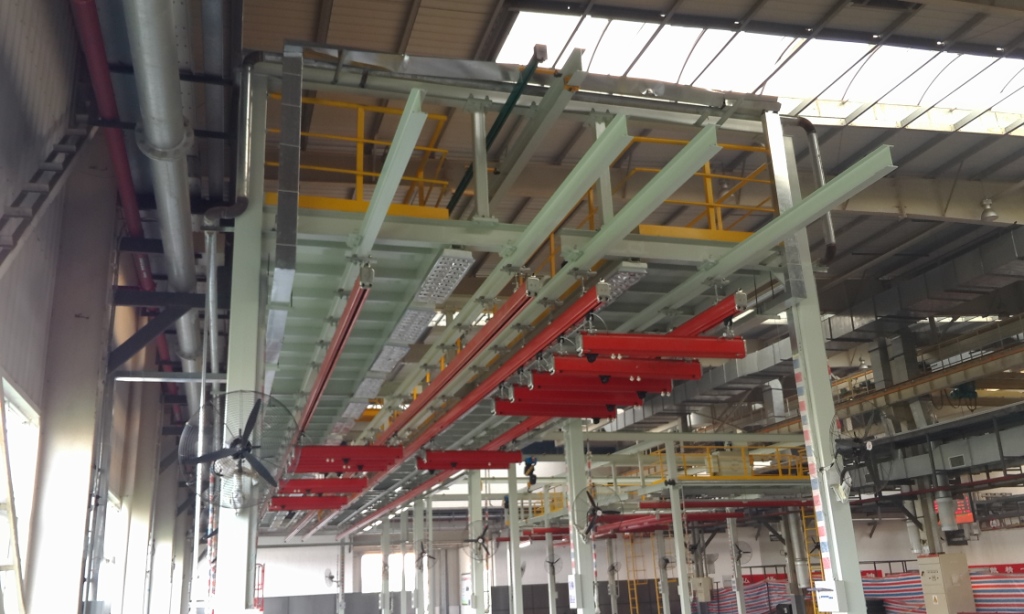
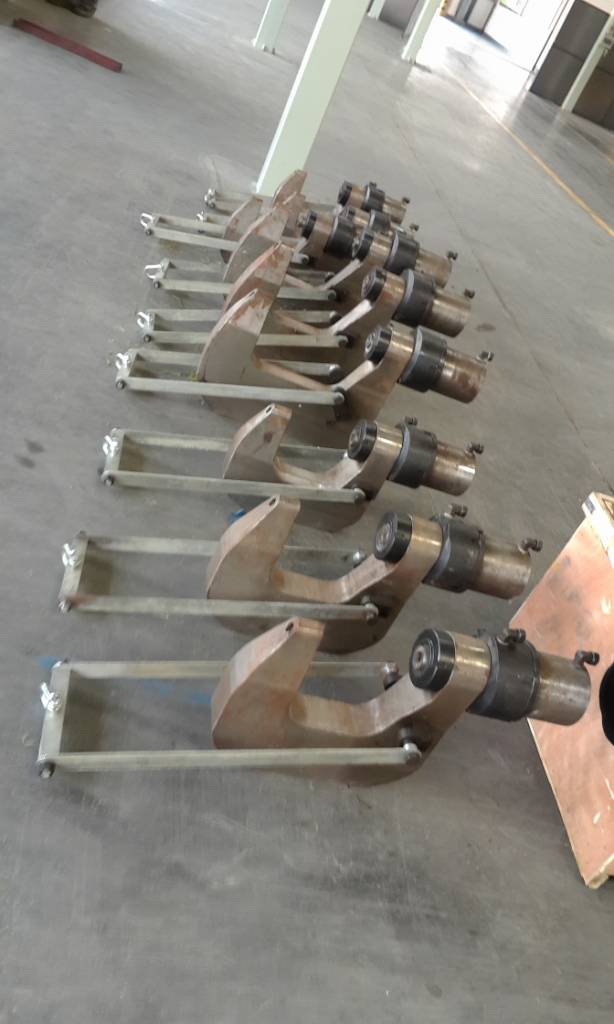
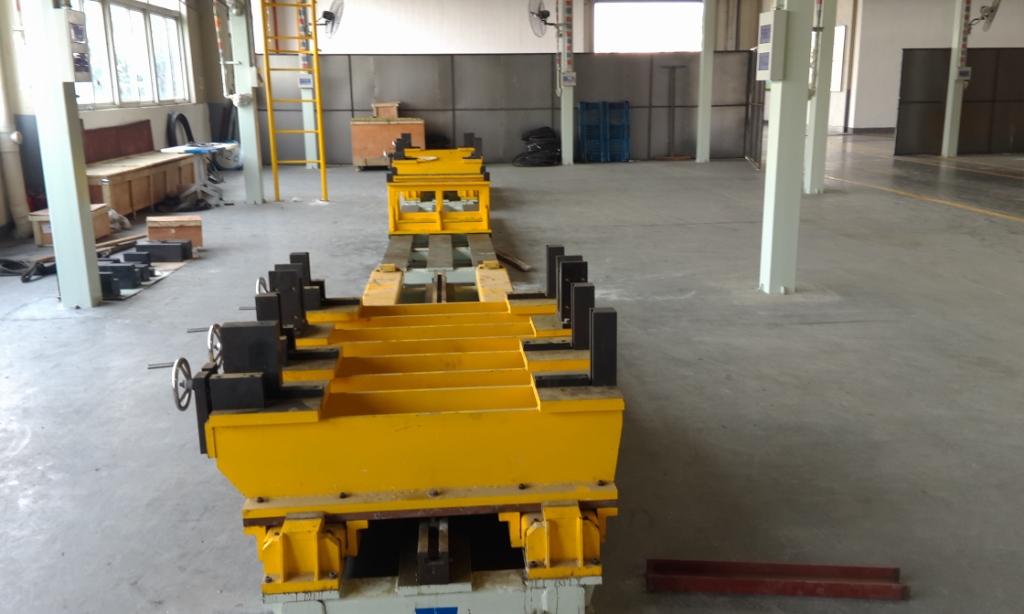
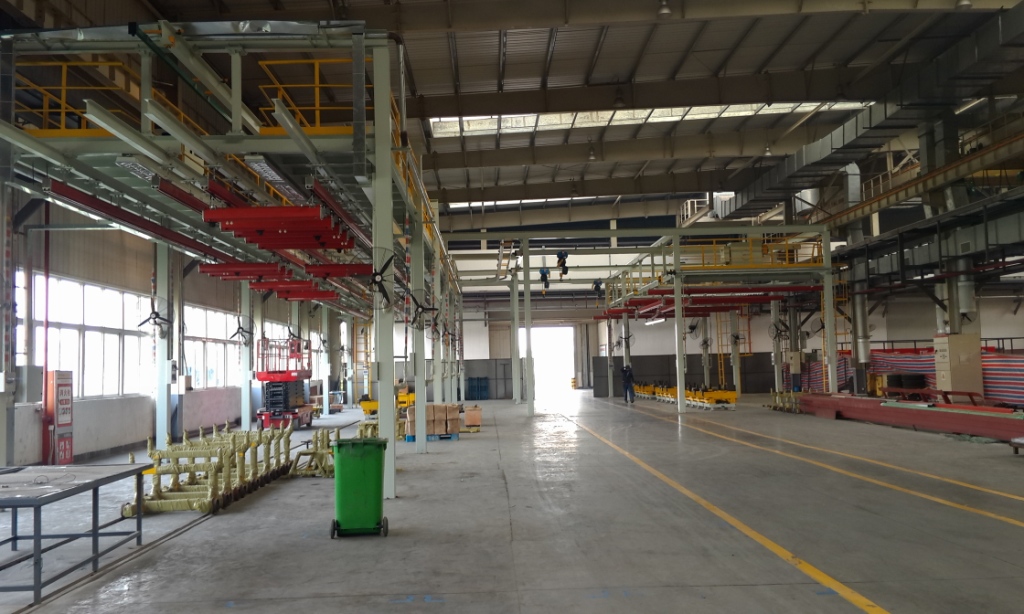
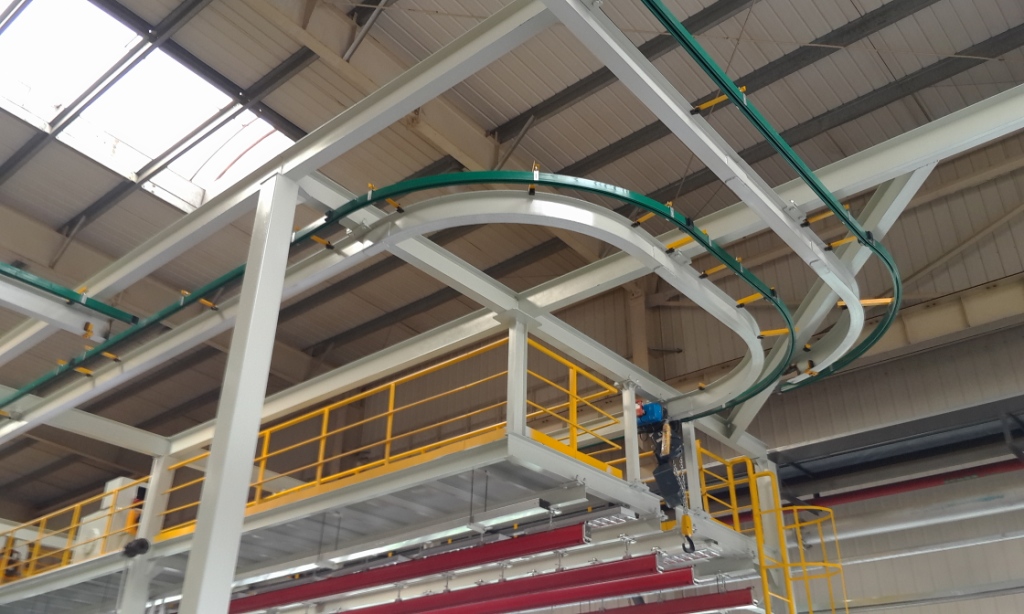
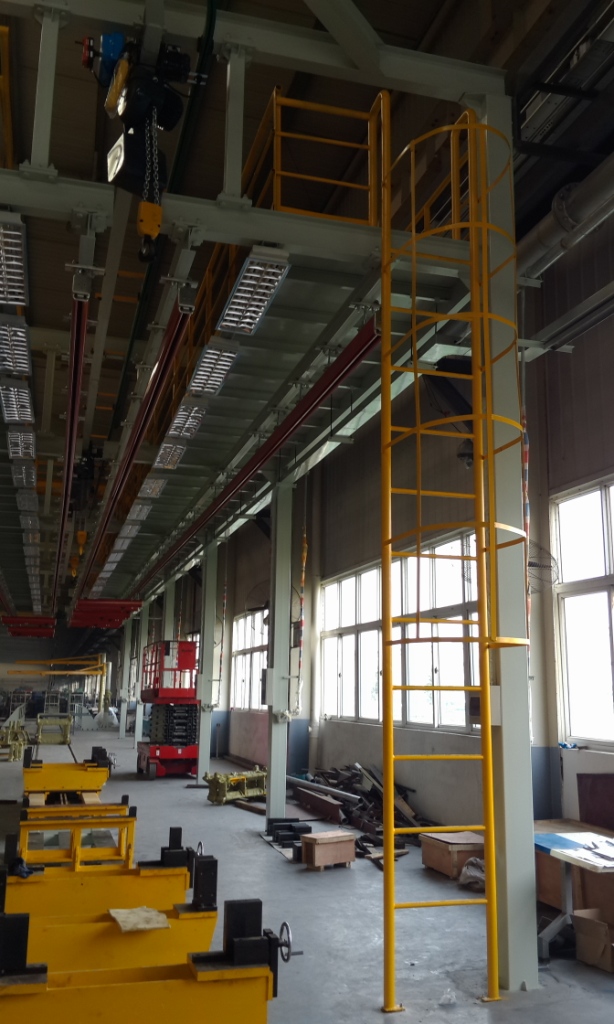
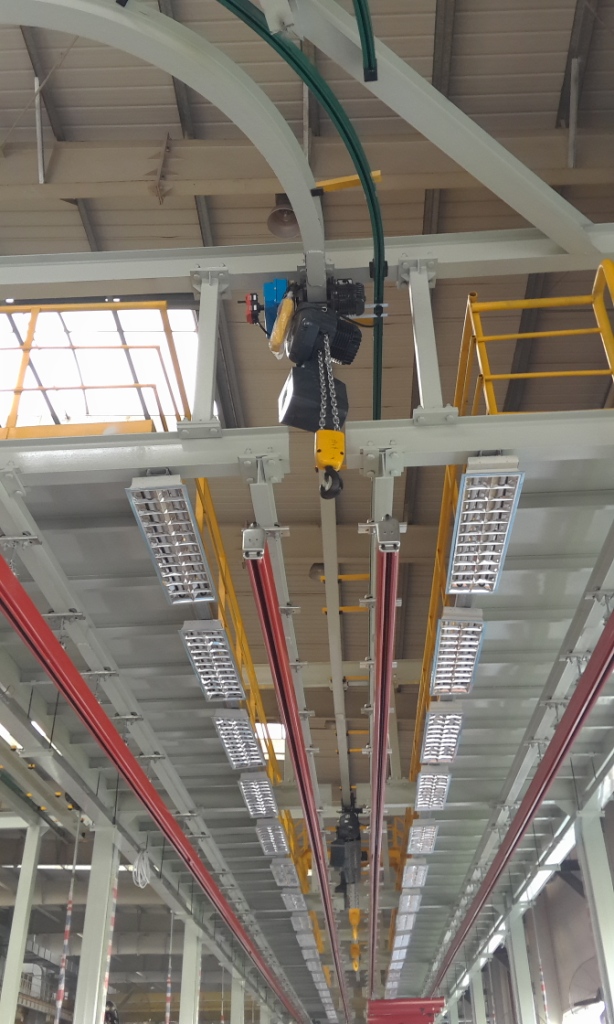
Bus frame production line
Sanxing Machinery has been serving customers for 26 years



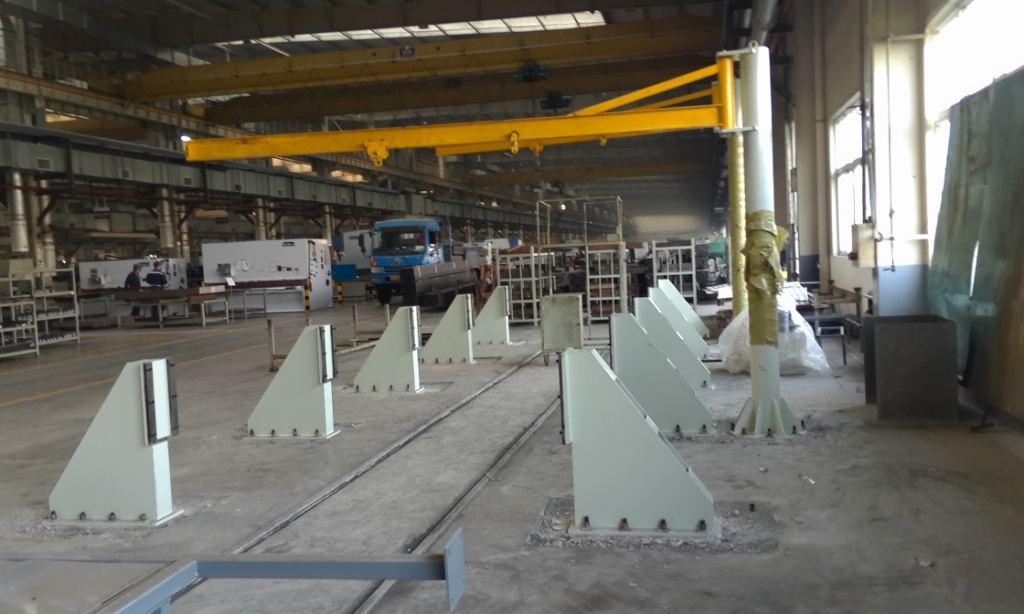
The vast majority of modern cars have a frame as the overall framework of the vehicle. The vast majority of car components and assemblies are fixed through the frame, such as the engine, transmission system, suspension, steering system, cab, cargo box, and related operating mechanisms. The frame plays a role in supporting and connecting various components of the car, and bears various loads from inside and outside the car.
The structural form of the frame should first meet the requirements of the overall layout of the car. During the complex driving process of a car, there should be no interference between the various assemblies and components fixed on the frame. When a car is driving on rough roads, the frame may undergo torsional deformation and bending deformation in the longitudinal plane under load; When one wheel encounters an obstacle, it may also cause the entire frame to twist into a diamond shape. These deformations will change the relative positions between the components installed on the frame, thereby affecting their normal operation. Therefore, the frame should also have sufficient strength and appropriate stiffness. In order to improve the lightweight level of the entire car, it is required that the frame mass be as small as possible. In addition, the frame should be arranged closer to the ground to lower the center of gravity of the car and improve its driving stability. This is particularly important for buses and sedans.