Railway industry riveting machine
Sanxing Machinery has been serving customers for 26 years

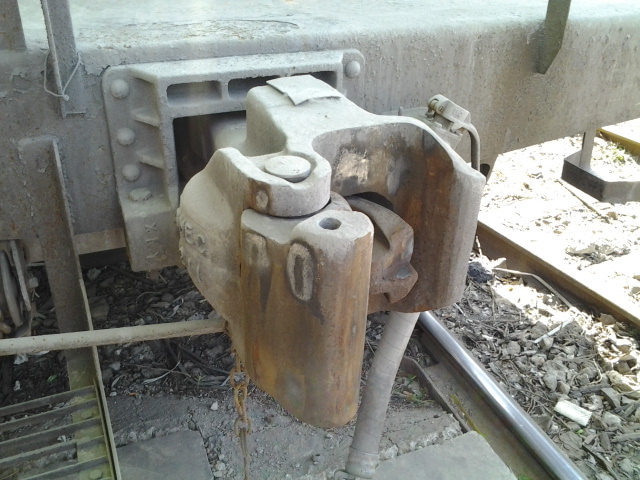
Impact seat riveting
Main characteristics of riveting machines in the train industry:The convenient, versatile, and easy to operate characteristics of riveting machines are increasingly accepted by a large number of manufacturers and customers.Riveting machines can be divided into many types according to their structural types, including slide rail type and t..
WhatsApp:86 13803726660
Email:aysx2009@126.com
Leave a message
Product Introduction

Main characteristics of riveting machines in the train industry:


The convenient, versatile, and easy to operate characteristics of riveting machines are increasingly accepted by a large number of manufacturers and customers.


Riveting machines can be divided into many types according to their structural types, including slide rail type and turntable type, but their principles are similar. They are all set to move the workpiece to the riveting area, and then the riveting process is completed by the riveting machine.


The displacement of any workpiece can be regarded as the result of three directions of movement, with the X and Y axes controlling left, right, front, and back, and the Z axis controlling up and down. Thus, a basic numerical control structure is determined. Numerical control riveting machines generally have a zero point, also known as a reference point. Based on this point, we need to number and calibrate all the points that need to be riveted. This process is necessary, and then these coordinates and heights need to be input into the data entry page of the equipment, so that the machine knows how to rivet those points, where they are located, and how high they are.


After inputting the coordinates of these points, the program of the CNC riveting machine can operate. The servo mechanism of the machine will drive the workpiece to the first point we input under the control of the program. At this position, the riveted workpiece should be exactly below the axis of the rivet head. At this time, the equipment also needs to calculate the Z value of the coordinate, that is, the height value, to determine the feed rate of riveting. After all preparations are completed, the equipment can start riveting.
Product Recommendation
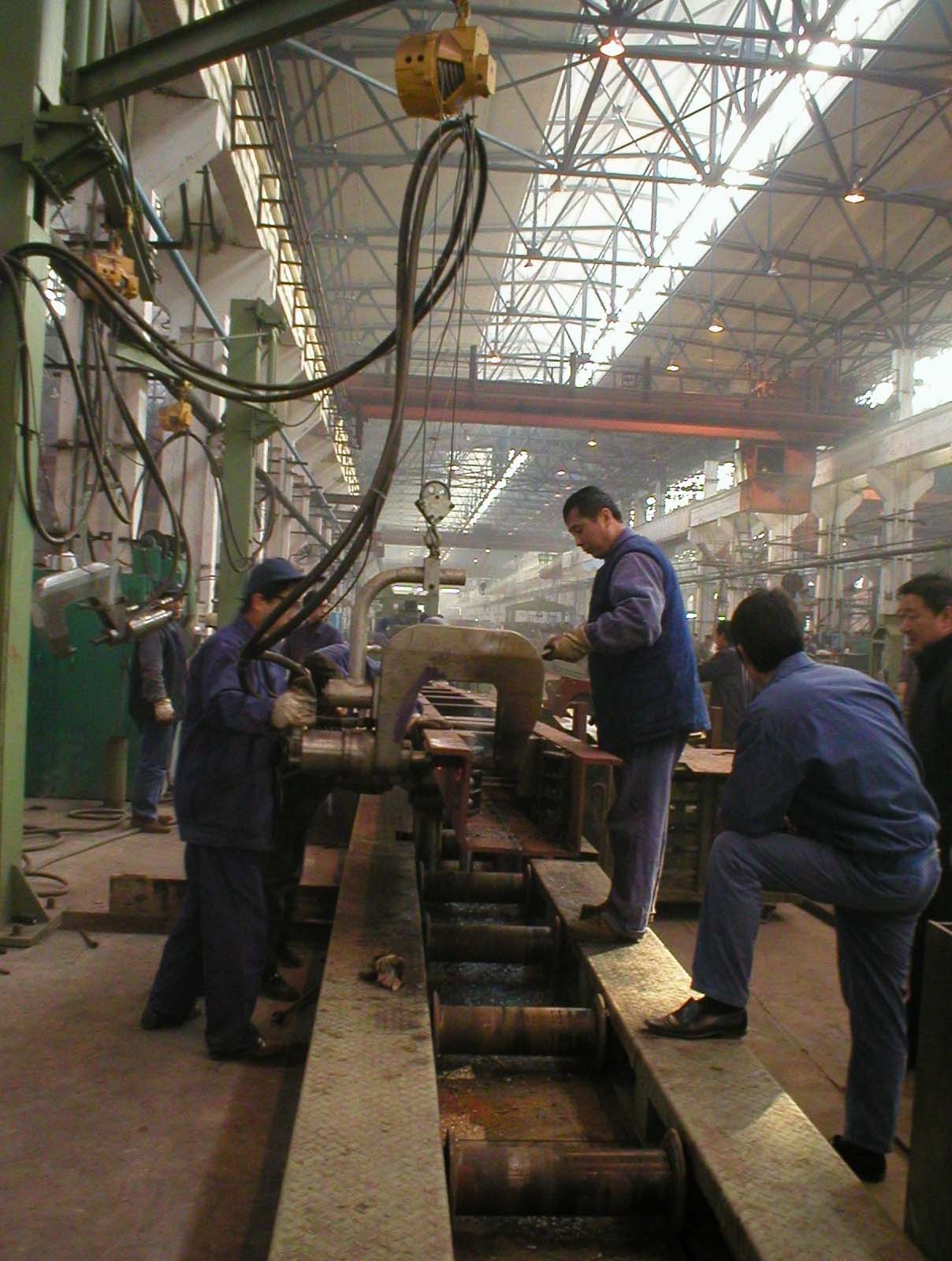
Mid beam riveting machine
Main characteristics of riveting machines in the train industry:The convenient, versatile, and easy to operate characteristics of riveting machines are increasingly accepted by a large number of manufacturers and customers.Riveting machines can be divided into many types according to their structural types, including slide rail type and turntable type, but their principles are similar. They are all set to move the workpiece to the riveting area, and then the riveting process is completed by the riveting machine.The displacement of any workpiece can be regarded as the result of three directions of movement, with the X and Y axes controlling left, right, front, and back, and the Z axis controlling up and down. Thus, a basic numerical control structure is determined. Numerical control riveting machines generally have a zero point, also known as a reference point. Based on this point, we need to number and calibrate all the points that need to be riveted. This process is necessary, and then these coordinates and heights need to be input into the data entry page of the equipment, so that the machine knows how to rivet those points, where they are located, and how high they are.After inputting the coordinates of these points, the program of the CNC riveting machine can operate. The servo mechanism of the machine will drive the workpiece to the first point we input under the control of the program. At this position, the riveted workpiece should be exactly below the axis of the rivet head. At this time, the equipment also needs to calculate the Z value of the coordinate, that is, the height value, to determine the feed rate of riveting. After all preparations are completed, the equipment can start riveting.
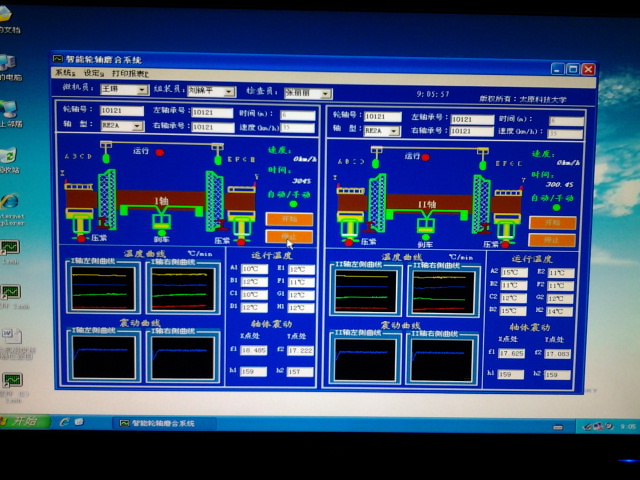
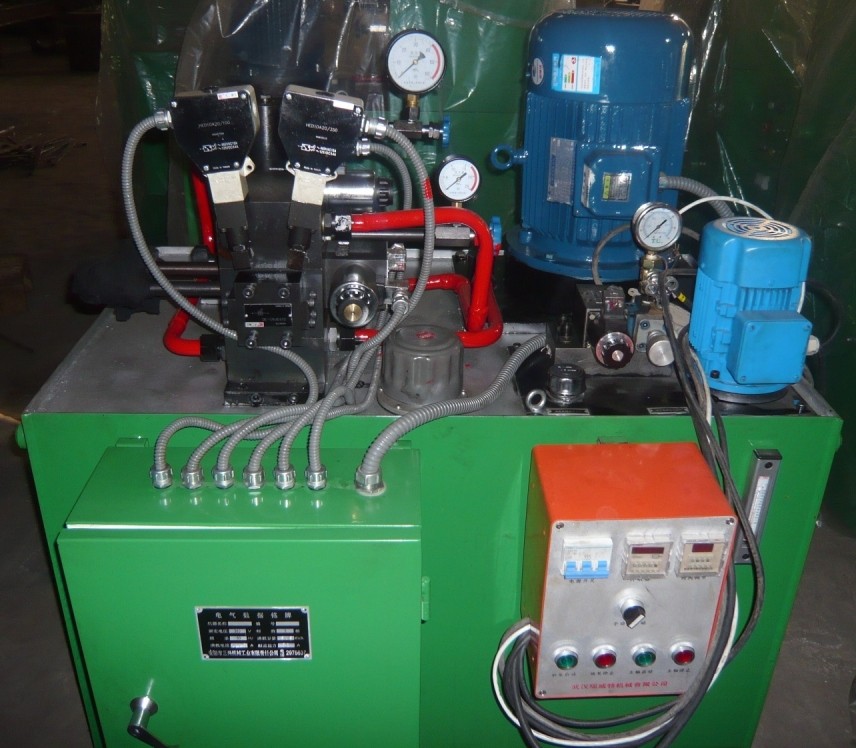
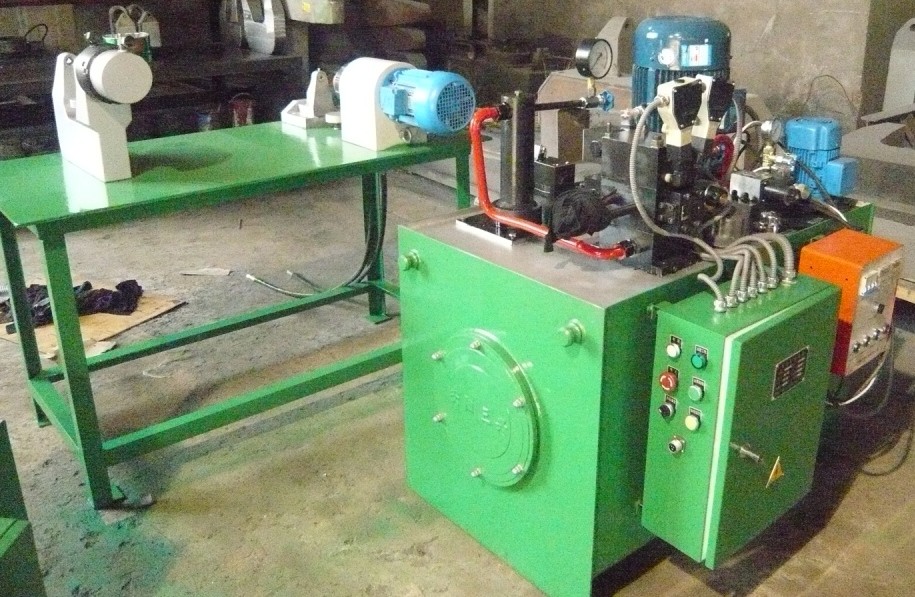
Gate riveting hydraulic station
Main characteristics of riveting machines in the train industry:The convenient, versatile, and easy to operate characteristics of riveting machines are increasingly accepted by a large number of manufacturers and customers.Riveting machines can be divided into many types according to their structural types, including slide rail type and turntable type, but their principles are similar. They are all set to move the workpiece to the riveting area, and then the riveting process is completed by the riveting machine.The displacement of any workpiece can be regarded as the result of three directions of movement, with the X and Y axes controlling left, right, front, and back, and the Z axis controlling up and down. Thus, a basic numerical control structure is determined. Numerical control riveting machines generally have a zero point, also known as a reference point. Based on this point, we need to number and calibrate all the points that need to be riveted. This process is necessary, and then these coordinates and heights need to be input into the data entry page of the equipment, so that the machine knows how to rivet those points, where they are located, and how high they are.After inputting the coordinates of these points, the program of the CNC riveting machine can operate. The servo mechanism of the machine will drive the workpiece to the first point we input under the control of the program. At this position, the riveted workpiece should be exactly below the axis of the rivet head. At this time, the equipment also needs to calculate the Z value of the coordinate, that is, the height value, to determine the feed rate of riveting. After all preparations are completed, the equipment can start riveting.
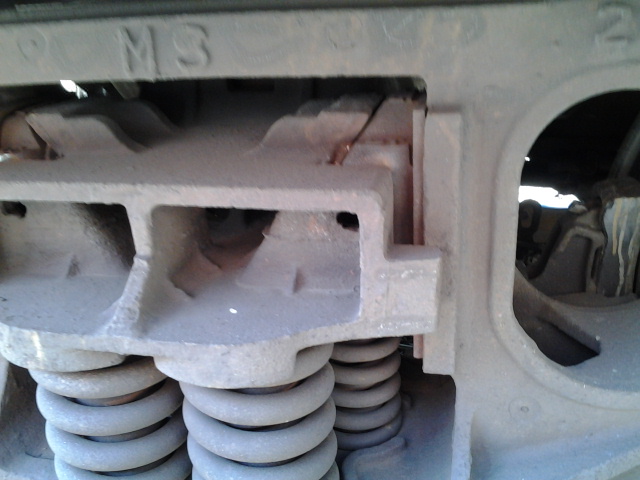
Data recording of wheelset running in test machine
Main characteristics of riveting machines in the train industry:The convenient, versatile, and easy to operate characteristics of riveting machines are increasingly accepted by a large number of manufacturers and customers.Riveting machines can be divided into many types according to their structural types, including slide rail type and turntable type, but their principles are similar. They are all set to move the workpiece to the riveting area, and then the riveting process is completed by the riveting machine.The displacement of any workpiece can be regarded as the result of three directions of movement, with the X and Y axes controlling left, right, front, and back, and the Z axis controlling up and down. Thus, a basic numerical control structure is determined. Numerical control riveting machines generally have a zero point, also known as a reference point. Based on this point, we need to number and calibrate all the points that need to be riveted. This process is necessary, and then these coordinates and heights need to be input into the data entry page of the equipment, so that the machine knows how to rivet those points, where they are located, and how high they are.After inputting the coordinates of these points, the program of the CNC riveting machine can operate. The servo mechanism of the machine will drive the workpiece to the first point we input under the control of the program. At this position, the riveted workpiece should be exactly below the axis of the rivet head. At this time, the equipment also needs to calculate the Z value of the coordinate, that is, the height value, to determine the feed rate of riveting. After all preparations are completed, the equipment can start riveting.
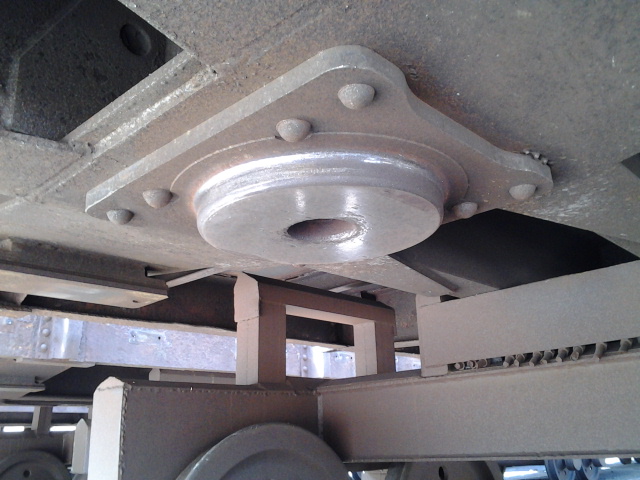
Impact seat riveting
Main characteristics of riveting machines in the train industry:The convenient, versatile, and easy to operate characteristics of riveting machines are increasingly accepted by a large number of manufacturers and customers.Riveting machines can be divided into many types according to their structural types, including slide rail type and turntable type, but their principles are similar. They are all set to move the workpiece to the riveting area, and then the riveting process is completed by the riveting machine.The displacement of any workpiece can be regarded as the result of three directions of movement, with the X and Y axes controlling left, right, front, and back, and the Z axis controlling up and down. Thus, a basic numerical control structure is determined. Numerical control riveting machines generally have a zero point, also known as a reference point. Based on this point, we need to number and calibrate all the points that need to be riveted. This process is necessary, and then these coordinates and heights need to be input into the data entry page of the equipment, so that the machine knows how to rivet those points, where they are located, and how high they are.After inputting the coordinates of these points, the program of the CNC riveting machine can operate. The servo mechanism of the machine will drive the workpiece to the first point we input under the control of the program. At this position, the riveted workpiece should be exactly below the axis of the rivet head. At this time, the equipment also needs to calculate the Z value of the coordinate, that is, the height value, to determine the feed rate of riveting. After all preparations are completed, the equipment can start riveting.
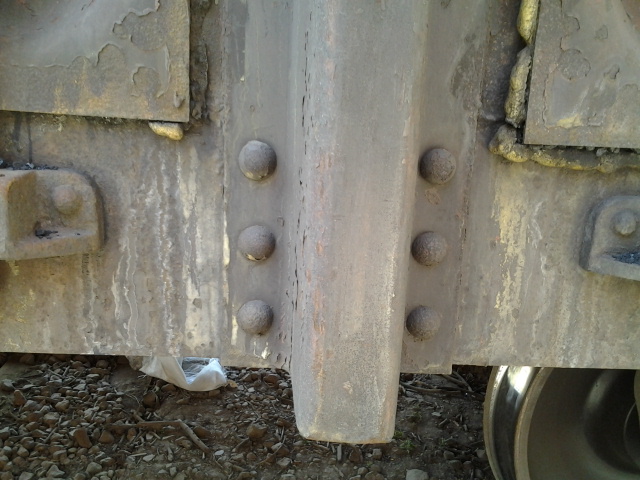
Wear plate riveting
Main characteristics of riveting machines in the train industry:The convenient, versatile, and easy to operate characteristics of riveting machines are increasingly accepted by a large number of manufacturers and customers.Riveting machines can be divided into many types according to their structural types, including slide rail type and turntable type, but their principles are similar. They are all set to move the workpiece to the riveting area, and then the riveting process is completed by the riveting machine.The displacement of any workpiece can be regarded as the result of three directions of movement, with the X and Y axes controlling left, right, front, and back, and the Z axis controlling up and down. Thus, a basic numerical control structure is determined. Numerical control riveting machines generally have a zero point, also known as a reference point. Based on this point, we need to number and calibrate all the points that need to be riveted. This process is necessary, and then these coordinates and heights need to be input into the data entry page of the equipment, so that the machine knows how to rivet those points, where they are located, and how high they are.After inputting the coordinates of these points, the program of the CNC riveting machine can operate. The servo mechanism of the machine will drive the workpiece to the first point we input under the control of the program. At this position, the riveted workpiece should be exactly below the axis of the rivet head. At this time, the equipment also needs to calculate the Z value of the coordinate, that is, the height value, to determine the feed rate of riveting. After all preparations are completed, the equipment can start riveting.
Riveting of bogie
Main characteristics of riveting machines in the train industry:The convenient, versatile, and easy to operate characteristics of riveting machines are increasingly accepted by a large number of manufacturers and customers.Riveting machines can be divided into many types according to their structural types, including slide rail type and turntable type, but their principles are similar. They are all set to move the workpiece to the riveting area, and then the riveting process is completed by the riveting machine.The displacement of any workpiece can be regarded as the result of three directions of movement, with the X and Y axes controlling left, right, front, and back, and the Z axis controlling up and down. Thus, a basic numerical control structure is determined. Numerical control riveting machines generally have a zero point, also known as a reference point. Based on this point, we need to number and calibrate all the points that need to be riveted. This process is necessary, and then these coordinates and heights need to be input into the data entry page of the equipment, so that the machine knows how to rivet those points, where they are located, and how high they are.After inputting the coordinates of these points, the program of the CNC riveting machine can operate. The servo mechanism of the machine will drive the workpiece to the first point we input under the control of the program. At this position, the riveted workpiece should be exactly below the axis of the rivet head. At this time, the equipment also needs to calculate the Z value of the coordinate, that is, the height value, to determine the feed rate of riveting. After all preparations are completed, the equipment can start riveting.

Riveting of carriage side beams
Main characteristics of riveting machines in the train industry:The convenient, versatile, and easy to operate characteristics of riveting machines are increasingly accepted by a large number of manufacturers and customers.Riveting machines can be divided into many types according to their structural types, including slide rail type and turntable type, but their principles are similar. They are all set to move the workpiece to the riveting area, and then the riveting process is completed by the riveting machine.The displacement of any workpiece can be regarded as the result of three directions of movement, with the X and Y axes controlling left, right, front, and back, and the Z axis controlling up and down. Thus, a basic numerical control structure is determined. Numerical control riveting machines generally have a zero point, also known as a reference point. Based on this point, we need to number and calibrate all the points that need to be riveted. This process is necessary, and then these coordinates and heights need to be input into the data entry page of the equipment, so that the machine knows how to rivet those points, where they are located, and how high they are.After inputting the coordinates of these points, the program of the CNC riveting machine can operate. The servo mechanism of the machine will drive the workpiece to the first point we input under the control of the program. At this position, the riveted workpiece should be exactly below the axis of the rivet head. At this time, the equipment also needs to calculate the Z value of the coordinate, that is, the height value, to determine the feed rate of riveting. After all preparations are completed, the equipment can start riveting.

Gate riveting machine
Main characteristics of riveting machines in the train industry:The convenient, versatile, and easy to operate characteristics of riveting machines are increasingly accepted by a large number of manufacturers and customers.Riveting machines can be divided into many types according to their structural types, including slide rail type and turntable type, but their principles are similar. They are all set to move the workpiece to the riveting area, and then the riveting process is completed by the riveting machine.The displacement of any workpiece can be regarded as the result of three directions of movement, with the X and Y axes controlling left, right, front, and back, and the Z axis controlling up and down. Thus, a basic numerical control structure is determined. Numerical control riveting machines generally have a zero point, also known as a reference point. Based on this point, we need to number and calibrate all the points that need to be riveted. This process is necessary, and then these coordinates and heights need to be input into the data entry page of the equipment, so that the machine knows how to rivet those points, where they are located, and how high they are.After inputting the coordinates of these points, the program of the CNC riveting machine can operate. The servo mechanism of the machine will drive the workpiece to the first point we input under the control of the program. At this position, the riveted workpiece should be exactly below the axis of the rivet head. At this time, the equipment also needs to calculate the Z value of the coordinate, that is, the height value, to determine the feed rate of riveting. After all preparations are completed, the equipment can start riveting.
WHATSAPP
TEL
86 13803726660
QRCODE

QRCODE

MESSAGE